Faster than ever
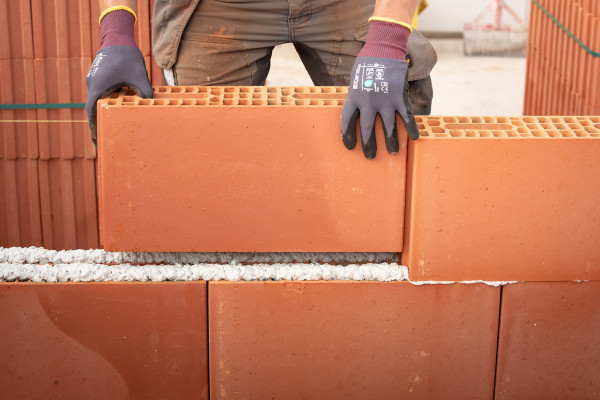
Processing time is drastically reduced. You don't have to wait for the previous layer to cure, which allows for non-stop work. With FoamTack Pro Construct, a wall is load-bearing and ready for finishing after just 60 minutes.

The traditional method of bricklaying with mortar has been the norm for centuries. However, in modern construction, where time and efficiency are crucial factors, the demand for alternatives is growing. PU adhesive foams for structural work, such as Tec7 FoamTack Pro Construct, offer a viable solution. But what exactly is PU adhesive foam, and what are its advantages, pitfalls and best practices?
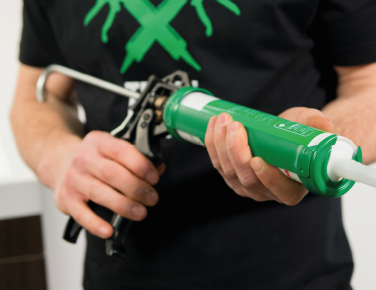
PU adhesive foam is a ready-to-use polyurethane foam that, unlike traditional mortar, does not require water or mixing. It is applied directly from a spray can and hardens through polymerisation with air humidity. This type of foam is specially formulated for high adhesive strength, making it a perfect alternative for bonding building blocks.
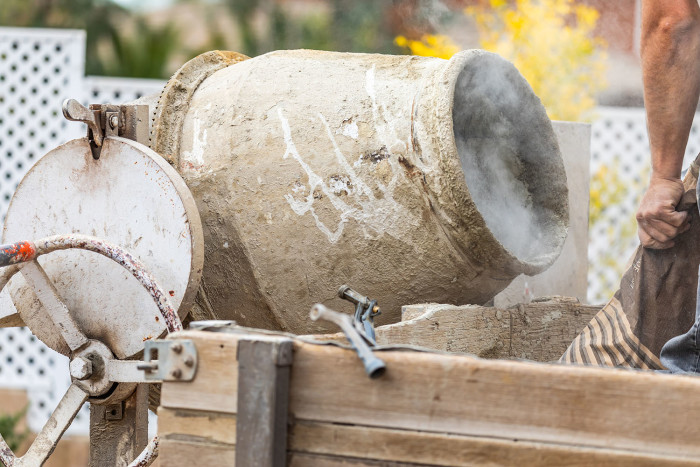
Time and labour: Making mortar is a time-consuming and physically demanding process.
Weather dependency: Mortar is sensitive to temperature and humidity, which can lead to delays in freezing weather.
Logistics: Bags of cement or powder adhesive require a lot of storage space and, due to their heavy weight, cause high CO2 emissions during transport.
The use of PU adhesive foam for bricklaying offers a number of significant advantages that are fundamentally changing construction practices.
Processing time is drastically reduced. You don't have to wait for the previous layer to cure, which allows for non-stop work. With FoamTack Pro Construct, a wall is load-bearing and ready for finishing after just 60 minutes.
Traditional mortar requires large amounts of water, not only for mixing, but also for cleaning tools and machinery. This process is not only wasteful, but also extends the total construction time due to the long drying time of the mortar. With PU adhesive foam, you work completely dry, resulting in little to no waiting time.
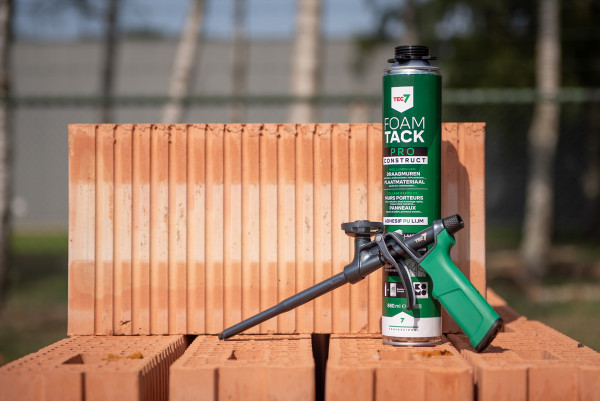
No more heavy bags to lift. A lightweight spray can replaces a heavy bag of mortar, significantly reducing the physical strain on the back and the rest of the body. In the case of FoamTack Pro Construct, one canister (+- 1 kg) replaces no less than 40 kg of cement.
PU adhesive foam can be used at low temperatures (down to -10°C). This makes building in winter, when work often comes to a standstill, possible.
No. PU adhesive foam for load-bearing walls, such as FoamTack Pro Construct, is specifically designed for dimensionally stable building blocks such as aerated concrete, sand-lime brick and clay blocks. The tolerance of the blocks is crucial for optimal joint thickness and adhesion.
Yes, provided that the product has official certification, such as the KOMO certificate* for FoamTack Pro Construct. This certificate guarantees that the mechanical performance complies with building regulations.
*KOMO certified for load-bearing walls (BRL1008) for the BENELUX market. We always recommend checking local building regulations to ensure compliance.
Yes, the first layer of the wall, the base course, must always be laid in a traditional mortar bed to correct any unevenness in the foundation and to ensure that the entire structure is level.
Due to the thin joint, it is almost impossible to place wall ties between the layers. These must be drilled into the wall afterwards and anchored with plugs.
Successful bricklaying with PU adhesive foam depends on careful preparation and execution.
Preparation: Ensure that the bricks are dust-free and clean. The ideal application temperature is +20°C. Lay out the wall carefully and place the profiles level.
Base course: Place the first layer in mortar and ensure that it is perfectly level.
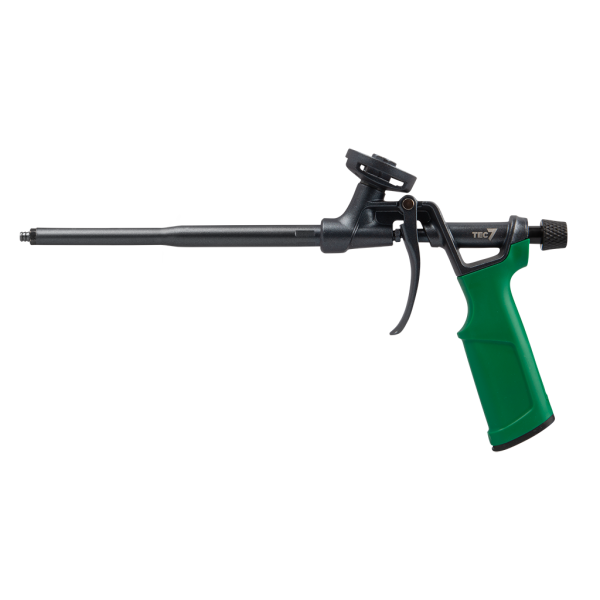
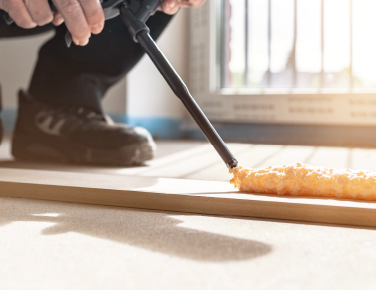
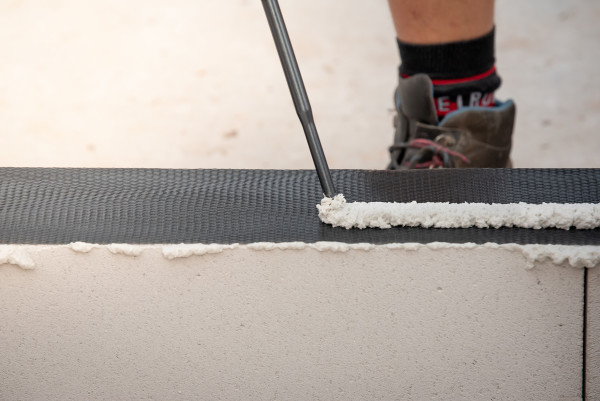
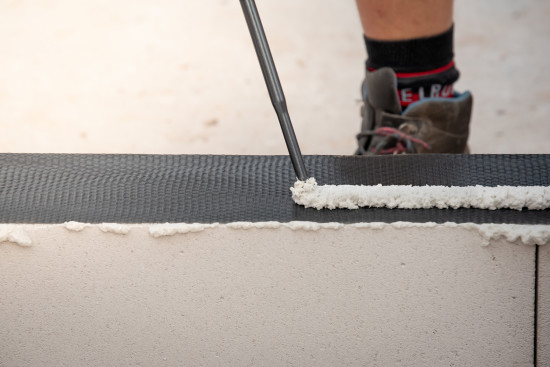
Application: Screw the FoamTack Pro Construct canister onto a suitable spray gun. Apply the adhesive in one or two even beads, depending on the width of the brick. Work in a pulling motion.
Placement: Glue the bricks within 3 to 6 minutes. This open time is crucial. Use a rubber hammer to gently tap the bricks into position.
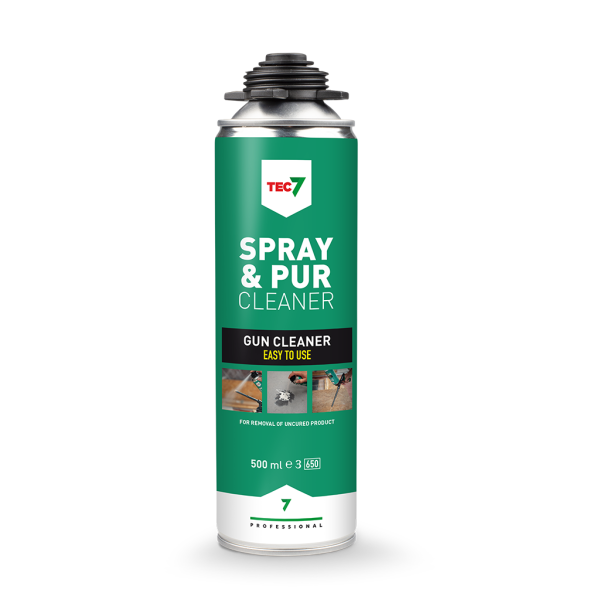
Cleaning: Clean the gun immediately after use with a special cleaner such as Spray & PUR Cleaner to prevent clogging. Uncured foam can be removed with this cleaner. Cured foam can be scraped off.
In addition to bonding building blocks, FoamTack Pro Construct excels in versatility. It is the ideal solution for a range of other applications in (rough) construction and finishing:
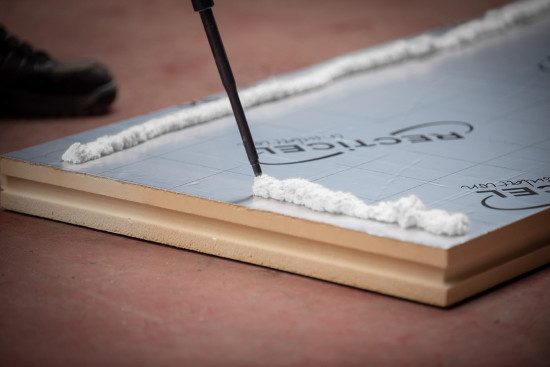
Insulation: For quick and thermal-bridge-free installation of rigid insulation boards (PIR, PUR, EPS, XPS).
Water barrier: You can also bond DPC foil effortlessly with FoamTack Pro Construct
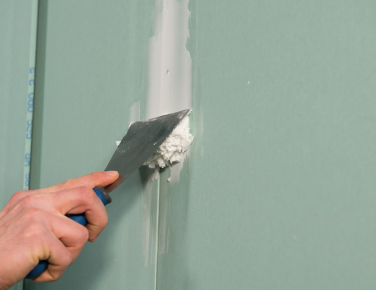
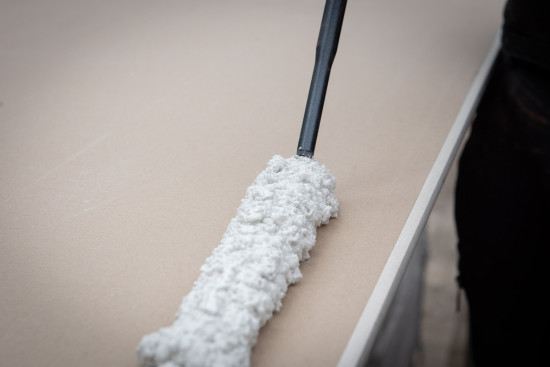
Interior finishing: Secure and quick installation of plasterboard, furniture panels, window sills, etc. to walls and window frames, without the need for plugs or profiles.
Technology: Effortless fixing of flush-mount boxes, cable ducts and technical pipes.
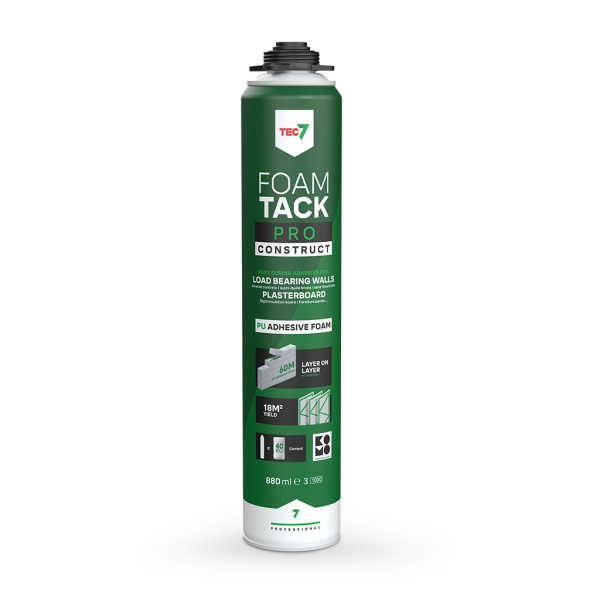
Important: Since 24 August 2023, professional users of polyurethane products are required to complete training. Make sure you are aware of this!
*The information in this article is general and intended as practical advice. For the most up-to-date and product-specific guidelines, applications, and safety instructions, we always recommend consulting the technical documentation on the product page of the product in question. Only these documents contain the official, complete, and up-to-date recommendations.